Your Vehicle Was Repaired—But It’s Not Worth What It Was Before
You got your vehicle back from the repair shop. The paint matches. The panels are aligned. The damage from the crash on I-95 in Florida, I-405 in Los Angeles, or Peachtree Street in Atlanta looks resolved. But when you check resale estimates or speak with a dealership in Chicago, Dallas, or Phoenix, you learn something frustrating: the market values your car differently now.
That difference is real—and it often surprises drivers across the United States.
Many drivers assume that insurance-paid repairs restore full worth. In reality, the resale market distinguishes between cosmetic repair and clean history. This automatic reduction—commonly described as inherent diminished value—reflects the stigma attached to an accident record, even when workmanship is excellent.
In some cases, the loss goes beyond perception. If repairs involve aftermarket parts, structural alignment concerns, or imperfect refinishing, the vehicle may also experience repair-related diminished value. While different in cause, both forms of loss contribute to the same financial gap: your car is restored physically, but not economically.
From highways in Texas to suburban counties in Ohio, from Seattle neighborhoods to Atlanta’s Buckhead district, drivers rarely anticipate this post-repair shortfall. Understanding how inherent diminished value, repair-related diminished value, and overall vehicle value loss operate nationwide is the first step toward recovering what the market says your vehicle is no longer worth.
You Discovered the Loss—Now You Need to Understand What Type It Is
After learning that your vehicle is worth less than it was before the crash, the next step is identifying why. Not all post-accident depreciation is calculated the same way, and understanding the category of loss directly affects how your claim is evaluated. At Claims Concierge, we help drivers distinguish between inherent diminished value, repair-related diminished value, and broader forms of vehicle value loss so they can pursue the correct recovery path.
Why the Type of Loss Changes the Claim Strategy
Insurance carriers evaluate claims differently depending on the nature of the depreciation. If the reduction stems from market perception alone, it typically falls under inherent diminished value—a loss tied to accident history appearing on vehicle reports. If the drop in resale price is connected to workmanship concerns or replacement parts, it may qualify as repair-related diminished value. Knowing which category applies determines how the loss is documented, appraised, and advocacy. Misidentifying the source of vehicle value loss can result in undervaluation or denial.
Perception-Based Loss vs. Repair-Based Loss
Perception-based depreciation occurs even when repairs are flawless. Buyers often hesitate when a vehicle history report reflects prior damage, leading to reduced resale offers. This form of depreciation—commonly referred to as inherent diminished value—exists regardless of cosmetic restoration.
Repair-based depreciation, by contrast, arises when the quality of work affects performance, structural integrity, or finish. In these cases, repair-related diminished value reflects measurable deficiencies that further reduce market appeal beyond the stigma of accident history. While both contribute to overall vehicle value loss, the documentation requirements differ.
Why Insurance Companies Blur the Distinction
Insurers sometimes treat all depreciation as a single issue, minimizing the differences between inherent and repair-based loss. By grouping categories together, carriers may attempt to reduce the total recoverable amount tied to vehicle value loss. Understanding the separation between inherent diminished value and repair-related diminished value creates clarity and strengthens the advocacy position.
Even After Repairs, the Market Still Sees the Crash
A vehicle can look flawless after body work, refinishing, and mechanical corrections—yet resale offers still come in lower than expected. That disconnect is typically tied to inherent diminished value, a form of depreciation that exists simply because the car was involved in an accident. At Claims Concierge, we help drivers understand how this perception-based reduction contributes to measurable vehicle value loss, even when repairs were completed to a high standard.
When accident history is reported through national vehicle databases, buyers and dealerships adjust pricing accordingly. The market does not evaluate the car based solely on its current condition; it evaluates risk, resale liquidity, and future buyer hesitation. That pricing adjustment—separate from workmanship concerns—reflects inherent loss tied to record visibility, not repair quality. Even without structural deficiencies or cosmetic flaws, the resale value may shift downward because the crash is permanently documented.
Vehicle history reports play a powerful role in this equation. Platforms that track prior collisions, insurance claims, and damage disclosures influence insurance communication across private-party sales and dealership trade-ins. Once an accident appears on these reports, it becomes part of the vehicle’s permanent profile. This creates a form of vehicle value loss that is distinct from repair-related diminished value, which involves issues tied directly to workmanship or replacement components.
In cases where repairs are completed correctly and no performance issues remain, buyers may still question long-term reliability or hidden damage. That lingering concern is the foundation of inherent diminished value. While high-quality repairs restore function and appearance, they cannot erase digital accident records or market psychology.
Sometimes the Repairs Themselves Become the Problem
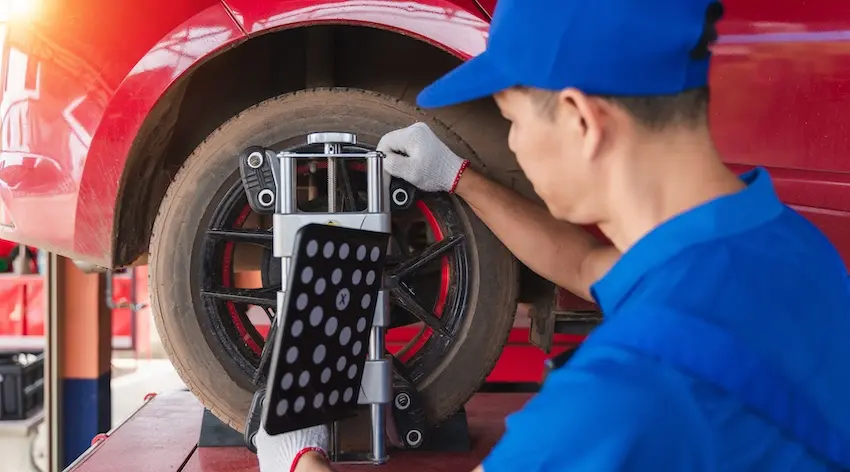
After an accident, most drivers assume that professional bodywork will restore both performance and price. In many cases, that is true. But when workmanship falls short—whether due to structural misalignment, cosmetic inconsistencies, or non-OEM replacement parts—the result can be repair-related diminished value. At Claims Concierge, we help vehicle owners understand how this type of depreciation differs from inherent diminished value and how it contributes to measurable vehicle value loss.
Structural issues are among the most serious contributors to post-repair depreciation. Frame irregularities, incomplete welds, or improper panel alignment can affect handling, safety systems, and long-term reliability. Even if the vehicle appears visually restored, underlying repair deficiencies may surface during inspections or resale evaluations. In those cases, the drop in market price is not based on perception alone—it reflects tangible concerns tied to workmanship.
Visible repair concerns can also affect resale. Mismatched paint tones, uneven finishes, overspray, or aftermarket components may signal to buyers that repairs were not completed to factory standards. While some of these issues seem minor, they can compound into significant vehicle value loss when appraisers compare the car to similar models without prior damage. Unlike inherent diminished value, which stems from accident history alone, repair-related diminished value is directly connected to the quality of restoration.
Mechanical inconsistencies further increase financial exposure. Improperly calibrated sensors, suspension irregularities, or recurring warning lights can create long-term performance questions. Buyers and dealerships often discount pricing when mechanical reliability appears uncertain, adding another layer of depreciation beyond accident stigma.
Understanding whether the loss stems from perception or workmanship matters. When substandard repairs contribute to the decline, documentation, inspections, and comparative market analysis become critical. Claims Concierge evaluates repair records, appraisal data, and resale trends to determine whether repair-related diminished value, inherent diminished value, or both are affecting the total vehicle value loss, ensuring the claim reflects the full economic impact of the accident.
The Classification of Your Loss Can Change the Outcome
After discovering post-accident depreciation, the next question is not just how much was lost—but what type of loss applies. The distinction between inherent diminished value and repair-related diminished value directly affects how insurers analyze your claim and calculate compensation. At Claims Concierge, we help vehicle owners understand how proper classification influences total vehicle value loss recovery.
Insurers Do Not Evaluate Every Type of Diminished Value the Same Way
Insurance carriers often apply different internal review standards depending on whether the loss is perception-based or repair-based. The evaluation process may include:
- Review of accident history reports when assessing inherent diminished value
- Inspection of workmanship, parts used, and structural integrity for repair-related diminished value
- Comparison of pre-accident and post-repair market listings to measure vehicle value loss
- Analysis of resale trends for similar vehicles with and without prior damage
Because each category involves different documentation and valuation methods, mislabeling the type of loss can result in undervaluation.
Accurate Categorization Strengthens Your Financial Position
When the correct form of depreciation is identified, claim calculations become more precise. For example:
- Inherent diminished value focuses on stigma tied to accident reporting
- Repair-related diminished value centers on measurable deficiencies in restoration
- Combined classifications may increase the total documented vehicle value loss
Proper categorization ensures that the economic impact is fully supported with appraisal data, repair records, and comparable sales analysis. By separating inherent depreciation from workmanship-related decline, you position your claim for a more accurate evaluation.
When the Insurance Company Says the Repairs Fixed Everything
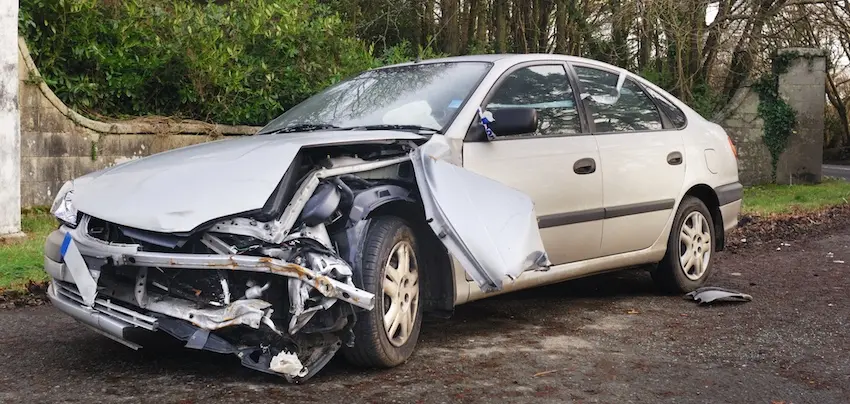
After your vehicle is returned from the body shop, an adjuster may argue that the restoration eliminated any meaningful depreciation. That position is common in diminished value disputes. Carriers often contend that once panels are replaced, paint is refinished, and mechanical systems are recalibrated, no additional compensation is warranted.
However, market data frequently tells a different story. Comparable sales, dealership trade-in evaluations, and third-party appraisal platforms routinely reflect post-accident vehicle value loss, even when repairs meet industry standards. This disconnect becomes especially relevant when accident history reports continue to influence buyer behavior—an issue closely tied to inherent diminished value rather than workmanship alone.
Another common tactic involves formula-based calculations. Some insurers rely on internal valuation models that cap depreciation at predetermined percentages, regardless of actual resale impact. These formulas may not fully account for region-specific market demand, vehicle class, prior condition, or documented repair complexity. In situations involving potential repair-related diminished value, formula shortcuts can significantly understate the true economic effect.
Low initial offers are also frequent. Adjusters may present a valuation that appears data-driven but lacks a transparent comparable sales analysis. Without reviewing dealership appraisals, auction data, and post-repair inspection findings, those estimates may fail to reflect the full scope of the depreciation. Policyholders who accept unsupported valuations risk absorbing the remaining financial gap themselves.
Challenging minimized assessments does not require confrontation—it requires documentation. Independent appraisals, repair records, market comparisons, and resale projections create a clearer picture of what the vehicle would command absent the accident. By grounding the discussion in objective valuation standards, the claim moves from opinion to evidence.
Strong Documentation Turns a Suspicion Into a Supportable Claim
Once you recognize that your vehicle is worth less than it was before the crash, the next step is proving it with objective evidence. Insurance carriers do not rely on assumptions—they rely on documentation. Building a persuasive diminished value claim requires aligning appraisal data, repair records, and market comparisons to demonstrate measurable vehicle value loss. At Claims Concierge, we focus on assembling that evidence in a clear, structured way that supports both advocacy and review.
Professional appraisals are often the foundation. A qualified diminished value expert evaluates the vehicle’s condition, accident history, repair quality, mileage, and regional resale demand. By comparing similar vehicles with clean histories to those with prior damage, the appraisal can isolate depreciation tied to accident reporting—commonly associated with inherent diminished value—as well as loss connected to workmanship concerns that may suggest repair-related diminished value. The credibility of the methodology matters just as much as the final number.
Repair documentation also plays a critical role. Detailed invoices, parts lists, paint reports, structural measurements, and alignment specifications help explain what was repaired and how. When documentation shows aftermarket components, frame adjustments, or refinishing work, it strengthens the case for depreciation tied to the repair process itself. Even when repairs were performed correctly, these records help clarify how the market perceives the vehicle compared to similar models without prior damage.
A before-and-after valuation analysis further reinforces the claim. Pre-accident value can be established using comparable sales, dealership listings, auction data, and valuation guides. Post-repair value is then measured against vehicles of similar age, mileage, trim level, and geographic market. The difference between those figures illustrates the total vehicle value loss, allowing for a data-driven discussion rather than a subjective debate.
When appraisal findings, repair documentation, and market comparisons align, the claim becomes more defensible and more precise. At Claims Concierge, we help organize and present this evidence so that both perception-based depreciation and any workmanship-related impact are properly documented, giving your diminished value claim the clarity and support it deserves.
A Strategic Plan Can Turn a Frustrating Loss Into a Recoverable Claim
After discovering post-accident depreciation, many vehicle owners feel stuck between what the market shows and what the insurer is willing to acknowledge. The difference often comes down to strategy. When the loss is analyzed, categorized, and presented methodically, the path to recovery becomes clearer. At Claims Concierge, we approach diminished value claims with structure—separating categories of loss, organizing valuation data, and positioning evidence for productive advocacy.
Clear Separation Strengthens the Foundation of Your Claim
One of the most effective steps in a diminished value case is distinguishing between perception-based depreciation and repair-based decline. When inherent diminished value is documented separately from repair-related diminished value, the financial impact becomes more precise. Rather than presenting a single blended figure, categorizing each component clarifies how accident history and repair quality contribute to overall vehicle value loss. This structured breakdown helps prevent confusion and reduces the likelihood that one category is dismissed simply because it was not independently supported.
Persuasive Presentation Makes the Numbers Matter
Valuation evidence is strongest when it tells a coherent story. Independent appraisals, comparable vehicle listings, dealership trade-in data, and detailed repair documentation should align logically. When the methodology behind the numbers is transparent, the depreciation tied to both accident stigma and workmanship concerns becomes easier to evaluate.
A well-organized submission demonstrates how the post-repair resale market differs from pre-accident value, reinforcing measurable vehicle value loss without relying on assumptions.
Knowing When to Escalate the Discussion Protects Your Position
If an insurer relies on internal formulas or undervalues supporting documentation, escalation may be appropriate. This could involve requesting a supervisory review, providing supplemental appraisal analysis, or clarifying how both inherent diminished value and potential repair-related diminished value were calculated.

The Insurance Check Wasn’t the End—Here’s How Claims Concierge Helps You Recover What’s Missing
After your vehicle is repaired—whether the collision happened on I-285 in Atlanta, along I-95 in Florida, on the 405 in Los Angeles, or near downtown Dallas—you may assume the claim is complete. Then a dealership appraisal or resale estimate reveals a lower number than expected. That gap often reflects real vehicle value loss, even when repairs appear flawless. Claims Concierge, headquartered in Atlanta, GA, works with vehicle owners across the United States who discover that restoration does not always equal full market recovery.
The first step is clarity. A professional evaluation determines whether the depreciation stems from accident history alone—commonly associated with inherent diminished value—or whether workmanship concerns point toward repair-related diminished value. Separating these categories matters because each relies on different valuation methods, documentation, and supporting data. When the loss is properly classified, the claim becomes more precise and more defensible.
Next comes structured communication. Insurance carriers often rely on internal formulas that may not fully account for regional resale trends, comparable vehicle sales, or repair documentation. By organizing appraisal findings, market comparisons, and repair records, Claims Concierge presents a clear narrative that demonstrates measurable vehicle value loss. From metropolitan markets like Chicago and Houston to suburban counties and coastal communities, resale data consistently shows how prior damage can affect pricing.
Repairs restore drivability and appearance—but accurate valuation restores equity. When both perception-based depreciation and repair-based impacts are documented correctly, the financial shortfall becomes easier to address. If your vehicle was repaired but still appraises for less than it did before the accident, it may be time to act. Contact Claims Concierge today for a professional diminished value evaluation at (404) 738-5301. Our Atlanta-based team serves clients nationwide and helps ensure that inherent and repair-related depreciation are properly identified, documented, and pursued so you can recover the full value you deserve.