Diminished Value Claims: Why Your Car Loses Value After an Accident
You fix the damage after a car accident, but the financial impact often continues. Your vehicle now carries an accident history, which lowers its market value and resale price. Many accident victims do not realize they can file a diminished value claim to recover that loss when they are not at fault.
Claims Concierge helps identify these losses, builds strong documentation, and manages the full claim process from filing to advocacy with the insurance company. Our team handles communication with the insurer and assists with accurate estimates so you recover more of your vehicle’s true value.
We work with all major insurance carriers in Georgia. There are no upfront fees. We only get paid if we recover more money than the insurance company originally offered.
What Is a Diminished Value Claim After a Car Crash?
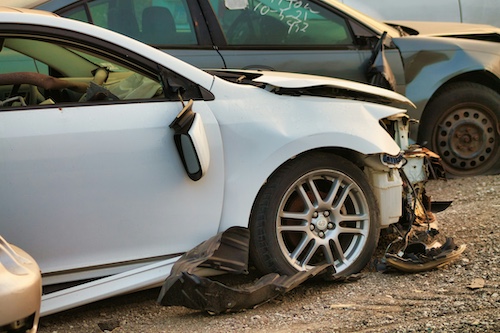
A diminished value claim seeks payment for the loss in a vehicle’s market value after a car accident, even after repairs.
Definition of Diminished Value
Diminished value refers to the reduction in a vehicle’s market value after an accident. Buyers often pay less for a repaired car with an accident history, even if repairs restore function and appearance.
Why Diminished Value Exists
A car with prior damage carries risk in the resale market. Accident history reports reduce buyer confidence and lower the car’s resale and trade-in value. The difference between the pre-accident value and the post-repair value represents the actual loss.
The Three Types of Diminished Value
Inherent Diminished Value: Inherent diminished value is the most common type. It reflects the loss in value due to accident history alone, even after quality repairs.
Immediate Diminished Value: Immediate diminished value measures the drop in market value right after the accident, before any repairs take place. It captures the initial impact of vehicle damage.
Repair Related Diminished Value: Repair-related diminished value results from poor repairs or low-quality repairs. Issues like mismatched paint or structural damage can further reduce the vehicle’s market value.
If You Are Not At Fault, You Likely Can File a Diminished Value Claim
Drivers who did not cause a car accident can usually pursue a diminished value claim through the responsible party.
Filing Against the At-Fault Driver’s Insurance
Most diminished value claims are filed with the at-fault driver’s insurance company. The at-fault driver’s insurer is responsible for property damage, which can include the vehicle’s diminished market value. This process is known as a third-party diminished value claim.
Third Party vs First Party Claims
A third-party diminished value claim targets the at-fault driver’s insurance policy. A first-party claim involves your own insurance company. Many insurers limit or deny first-party diminished value claims unless coverage is clearly stated in the policy.
When Your Own Insurance May Apply
If the at-fault driver is uninsured, you may need to rely on uninsured motorist coverage or collision coverage. These options can help recover repair costs, but they may not cover the full diminished value of the vehicle.
Key Requirement: Proving Fault
You must show that another driver caused the auto accident. Police reports, photos, and claim records help establish liability. Clear proof strengthens your insurance claim and supports your effort to recover diminished value.
State Laws and Policy Limits
State rules and insurance policies affect how you pursue diminished value recovery. Some states allow broader claims, while others impose limits. Reviewing your policy and local laws helps you understand your legal options and potential compensation.

How Insurance Companies Handle Diminished Value Claims
Insurance companies review diminished value claims with a focus on limiting payout and controlling total loss exposure.
Initial Claim Review
The insurance company reviews the insurance claim, repair records, and accident details. Adjusters assess vehicle damage, repair costs, and the vehicle’s condition before the car accident. They aim to estimate the vehicle’s diminished market value based on internal guidelines.
Use of Internal Formulas
Many insurers rely on preset formulas to calculate diminished value. These methods often include a damage multiplier and caps tied to the vehicle’s market value. The result may not reflect the actual loss or the true impact on the car’s resale value.
Low Settlement Offers
Insurance companies often present a low settlement early in the process. The offer may undervalue inherent diminished value or ignore repair-related diminished value. Without strong evidence, claimants may accept less than fair compensation.
Disputes Over Market Value
Insurers may challenge the claimed loss by comparing the car to an identical vehicle without accident history. They may argue that quality repairs restore most of the value. Disputes often focus on post-repair condition, high mileage, and prior damage.
Delays and Denials
Some insurers delay responses or deny claims outright. They may state that the insurance policy does not require them to pay diminished value. These tactics can slow down diminished value recovery and increase pressure on car accident victims.
Importance of Strong Evidence
Detailed documentation improves claim outcomes. Independent appraisals, photos, and market comparisons support a higher value claim. Strong evidence helps counter low offers and supports efforts to recover diminished value.
Step-by-Step: Filing a Diminished Value Claim in Georgia
A clear process helps accident victims pursue diminished value recovery and avoid common errors.
Step 1: Document the Car Accident
Collect photos, repair estimates, and police reports after the auto accident. Record all vehicle damage, including structural damage and visible issues. Accurate records support your insurance claim and establish the scope of loss.
Step 2: Confirm the At-Fault Driver
Verify who caused the accident using official reports and insurer findings. The at-fault driver determines which insurance company is responsible for the claim. Clear liability strengthens your position when you seek compensation.
Step 3: Obtain a Diminished Value Appraisal
Request an independent appraisal to calculate diminished value. The report should compare your repaired vehicle to an identical vehicle without an accident history. It should also account for market value, high mileage, and pre-accident condition.
Step 4: File With the At-Fault Driver’s Insurer
Submit your diminished value claim to the at-fault driver’s insurance company. Include the appraisal, repair invoices, and supporting documents. A complete claim package improves the chance of timely review.
Step 5: Determine the Settlement
Review the insurer’s offer and compare it to your appraisal. Many insurers present a low settlement that does not reflect the actual loss. Use strong evidence to pursue diminished value and push for fair compensation.
Step 6: Escalate if Needed
If the insurance company denies the claim or delays payment, consider further action. You may consult an experienced car accident attorney or use formal dispute channels. Escalation can help recover diminished value when initial efforts fail.
How Claims Concierge Helps Maximize Your Claim
Claims Concierge supports accident victims with tools and expertise to improve diminished value recovery and reduce insurer pushback.
Accurate Diminished Value Calculations
Claims Concierge provides data-driven reports that reflect true market value loss. Each report evaluates the vehicle’s pre-accident condition, repair quality, and post-repair market value. This approach helps establish a clear and defensible diminished value claim.
Strong Evidence for Your Insurance Claim
The service builds documentation that insurance companies recognize. Reports include comparable vehicle analysis, accident history impact, and valuation support. Strong evidence improves your position when working with the at-fault driver’s insurer.
Support Against Low Settlement Offers
Many insurers present a low settlement that does not reflect the actual loss. Claims Concierge helps identify gaps in the insurer’s calculation and advocates for fair compensation in your diminished value claim.
Simplified Filing Process
The platform guides users through filing a diminished value claim step by step. It helps organize repair records, appraisal data, and claim documents. A structured process reduces delays and improves claim accuracy.
Better Outcomes Without Added Friction
Claims Concierge helps users pursue diminished value without extended disputes. Clear reporting and organized claims reduce back and forth with the insurance company. This leads to faster resolutions and stronger final outcomes.

Start Your Diminished Value Claim Today!
Do not accept a low settlement or leave money on the table after a car accident. Our team at Claims Concierge helps you file a diminished value claim, build strong evidence, and work with the insurance company for fair compensation.
Contact us at (404) 738-5301 for a free consultation today!