Lost Value After a Collision Is Real Money: Claims Concierge Helps You Take It Back
Your car got repaired. The bills got paid. But your vehicle is worth less than it was before the accident, and the insurance company is counting on you not to notice. Lost value after a collision is one of the most overlooked financial losses in auto insurance claims. It does not appear on a repair estimate, and most car insurance companies will not bring it up.
Claims Concierge is an auto insurance claims advocacy service built specifically to close that gap. We handle the documentation, the demand, and the negotiation so Georgia vehicle owners recover the full diminished value compensation they are owed, not just the portion the insurance company decides to offer.
What Is Diminished Value? The Loss Most Drivers Never Claim
Most drivers walk away from a car accident focused on repairs and never realize they are entitled to recover something more.
Your Car Lost Market Value the Moment It Had an Accident
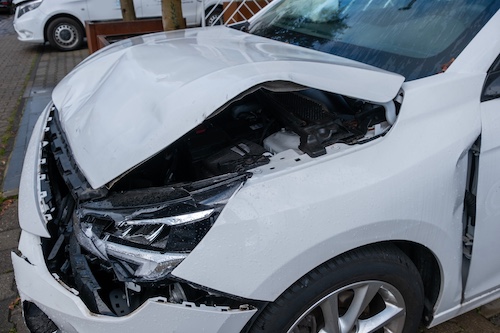
A repaired car is not the same as an undamaged car. Once a vehicle carries accident history, its market value drops permanently. That gap between your vehicle’s pre-accident value and its post-repair value is called diminished value. It is a real, measurable financial loss, and Georgia law recognizes your right to recover it.
Three Types of Diminished Value You Should Know
Not all diminished value claims are the same. Georgia recognizes three distinct types:
- Inherent diminished value is the most common. It reflects the loss in your car’s resale value caused purely by its accident history, even when repairs were done correctly and completely.
- Repair-related diminished value applies when the repairs themselves fall short. Mismatched paint, non-OEM parts, poor panel alignment, or unresolved structural damage all reduce a vehicle’s post-repair value beyond what accident history alone would cause.
- Immediate diminished value is the drop in market value that occurs right after the collision, before any repairs take place.
This Is Not Normal Depreciation
Normal depreciation is gradual. It comes from vehicle age, mileage, and wear over time. Lost value after a collision is different. It is sudden, collision-specific, and directly tied to accident history. Potential buyers and dealerships consistently discount vehicles with accident records, regardless of repair quality. That discount is the financial loss Claims Concierge helps you recover.
Georgia Law Gives You the Right to Recover Diminished Value
Georgia drivers have a legal right to recover lost value after a collision, and the at-fault driver’s insurance company is required to pay it.
Georgia Recognizes Diminished Value as Property Damage
Georgia law treats diminished value as a compensable form of property damage. Under O.C.G.A. § 51-12-4, vehicle owners have the right to recover the full extent of loss to their personal property, including the drop in market value that follows a collision. Repair costs alone do not satisfy that obligation. The at-fault driver’s insurance company cannot legally claim that completed repairs make you whole.
The Landmark Case That Established Your Rights
The Georgia Supreme Court settled this issue in State Farm Mutual Automobile Insurance Co. v. Mabry, 274 Ga. 498, 556 S.E.2d 114 (2001). The court ruled that third-party claimants have the right to recover inherent diminished value from the fault driver’s insurance company. That ruling remains the foundation of every diminished value claim filed in Georgia today.
First-Party vs. Third-Party Claims
If another driver caused your accident, you file a third-party diminished value claim against their insurance company. If you are filing with your own insurance company, the outcome depends on your specific collision coverage policy terms. Many car insurance companies exclude first-party diminished value claims in their policy language, which is why reviewing your policy matters before filing.
Your Window to File Is Four Years
Georgia law sets a four-year statute of limitations for property damage claims under O.C.G.A. § 9-3-31. That window starts from the date of the accident. Acting sooner produces stronger claims. Documentation is fresher, repair records are easier to obtain, and the insurer has less room to dispute your pre-accident value. Claims Concierge helps vehicle owners move through the claims process with the documentation and evidence needed to file a strong, timely claim.

Why Most Accident Victims Leave Money Behind
Most accident victims recover their repaired vehicle and move on, never knowing they were entitled to diminished value compensation.
Insurance Companies Do Not Volunteer This Information
Car insurance companies are not required to inform claimants of their right to file a diminished value claim. Adjusters handle property damage claims every day. Most claimants handle one in a lifetime. That information gap works in the insurer’s favor, and most insurance companies rely on it.
The Formula Insurers Use Is Designed to Pay Less
When an insurance company does acknowledge a diminished value claim, they typically calculate it using the 17c formula. This method applies a damage multiplier and mileage adjustment to your vehicle’s pre-accident value. In practice, it produces figures that bear little resemblance to actual market behavior. A vehicle worth $50,000 before a major accident could receive a diminished value offer of a few hundred dollars under this formula. Independent appraisals and real market comparables consistently show the true loss is far greater.
Most Claimants Do Not Know What Supporting Documentation Is Required
Filing a diminished value claim without the right documentation produces weak results. Vehicle owners need repair records, final repair invoices, pre-accident value evidence, comparable market listings, and ideally an independent appraisal. Without these, the insurance company controls the narrative and the number.
A Quick Settlement Can Close the Door on Your Claim
Insurance companies often push early settlement offers on property damage claims. Accepting a check before you understand your full loss can eliminate your ability to pursue diminished value compensation later. Many accident victims cash that first check without realizing it closed their claim entirely. Knowing your car’s diminished value before you settle is not optional. It is the difference between a fair recovery and leaving real money behind.
How Claims Concierge Works: Your Advocate From Claim Filing to Recovery
Claims Concierge manages every step of the diminished value claims process so vehicle owners can focus on moving forward, not fighting insurers.
Step 1: Assess Your Claim Before Filing
The process starts with a clear evaluation of your situation. Claims Concierge reviews your vehicle’s pre-accident value, the extent of damage, repair costs, and accident history to determine how strong your diminished value claim is. Factors like the vehicle’s age, mileage, structural damage, and whether OEM or aftermarket parts were used all affect the potential recovery. You know what you are working with before a single document is submitted.
Step 2: Build a Documentation Package That Holds Up
Weak documentation produces weak offers. Claims Concierge assembles a complete supporting documentation package, including final repair invoices, repair records, parts lists, before and after photos, and comparable market listings that reflect real post-repair value. Our experienced team knows exactly what insurance companies scrutinize and prepares the claim accordingly.
Step 3: File a Formal Demand With the Right Insurance Company
Once documentation is complete, Claims Concierge submits a written demand to the fault driver’s insurance company for third-party claims, or to your own insurance company for applicable first-party claims. The demand letter states the dollar amount, the supporting evidence, the calculation basis, and a clear response deadline. There is no ambiguity in what is being requested or why.
Step 4: Negotiate Directly With the Insurer
Claims Concierge handles all insurer communications on your behalf. When the insurance company responds with a lowball offer based on the 17c formula, our team counters with market evidence and independent appraisal support. Vehicle owners do not face adjusters alone. Every response is documented, every offer is evaluated against the actual diminished value of your vehicle.
Step 5: Escalate When Necessary
If an insurance company refuses to negotiate in good faith, Claims Concierge helps clients understand their available options for escalating the claim. For claims involving uninsured motorist coverage or disputed fault, we provide clear next-step guidance. Claims Concierge is an auto insurance claims advocacy service, not a law firm. When a situation requires legal representation, we will tell you directly.

Your Vehicle Lost Value After a Collision Can Be Frustrating. Our Team at Claims Concierge Will Help You Recover It.
Most accident victims settle for less because they do not know what they are owed or how to prove it. Our team at Claims Concierge does. We assess your diminished value claim, build the documentation package, file the demand, and negotiate directly with the insurance company on your behalf. You do not need to understand the 17c formula, fight adjusters, or figure out what supporting documentation strengthens your case. That is our job.
Contact us at (404) 738-5301 for a free consultation today!